
What is (Continuing Professional Development) CPD?
Continuing Professional Development (CPD) refers to the process of ongoing learning and development that professionals engage in to enhance their skills, knowledge, and abilities throughout their careers. CPD is not limited to a single profession; it is a broad concept applicable to various fields, including healthcare, education, law, engineering, and business. CPD is a vital aspect of professional life, ensuring that individuals continue to grow and adapt to changes within their industries, ultimately leading to improved performance and service delivery.
Here is the some Key Aspects of CPD:
Lifelong Learning: CPD emphasizes continuous learning beyond formal education. It encourages professionals to keep up with new developments, best practices, and emerging trends in their fields.
Flexible and Diverse: CPD can include a wide range of activities, such as attending workshops, conferences, seminars, online courses, and webinars, as well as reading relevant literature, conducting research, and engaging in reflective practice.
Personalized Development: CPD is often tailored to an individual’s career goals, allowing professionals to focus on areas where they wish to improve or specialize. This can lead to career advancement, greater job satisfaction, and enhanced expertise.
Professional Accountability: Many professions require CPD to maintain licensure, certification, or membership in professional organizations. It ensures that professionals remain competent and up to date in their fields.
Self-Directed Learning: CPD encourages professionals to take responsibility for their own development, identifying learning needs and seeking out opportunities to address them.
Documentation and Reflection: CPD often involves recording and reflecting on the learning activities undertaken. This helps professionals to track their progress and assess the impact of their development on their practice.
Benefits of CPD Hours
Career Advancement: Earning CPD credits in gastroenterology and hepatology strengthens your professional profile, making you more competitive for promotions, leadership roles, academic appointments, or specialized clinical positions within digestive and liver health.
Personal Growth & Confidence: Expanding your knowledge base in areas such as advanced endoscopy, liver disease management, or microbiome research enhances both professional expertise and personal satisfaction, boosting confidence in clinical decision-making.
Adaptability to Emerging Trends: CPD keeps you aligned with the latest advancements—whether new therapeutic guidelines, innovative diagnostic technologies, or evolving patient-care models—ensuring you remain relevant in a rapidly changing GI landscape.
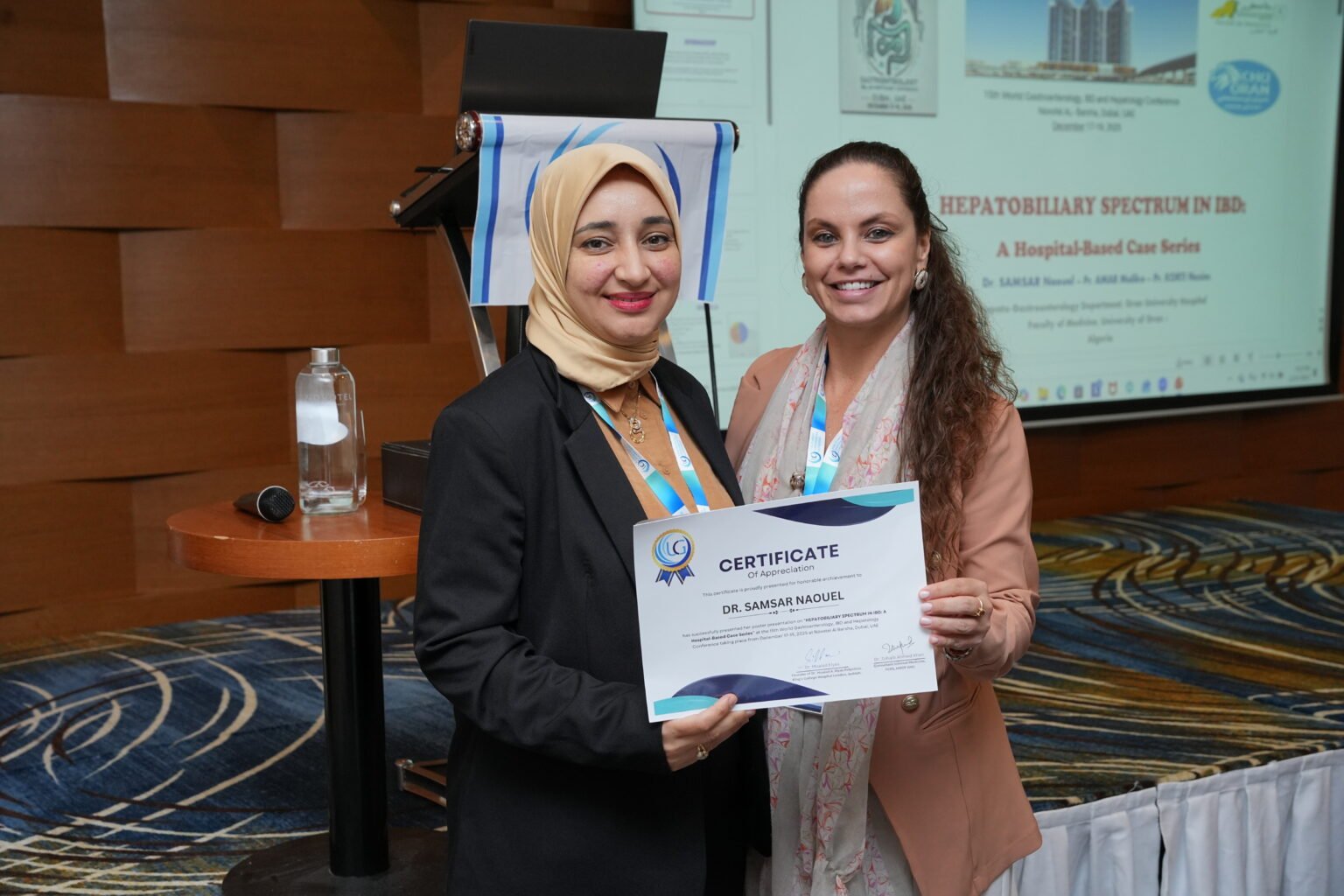
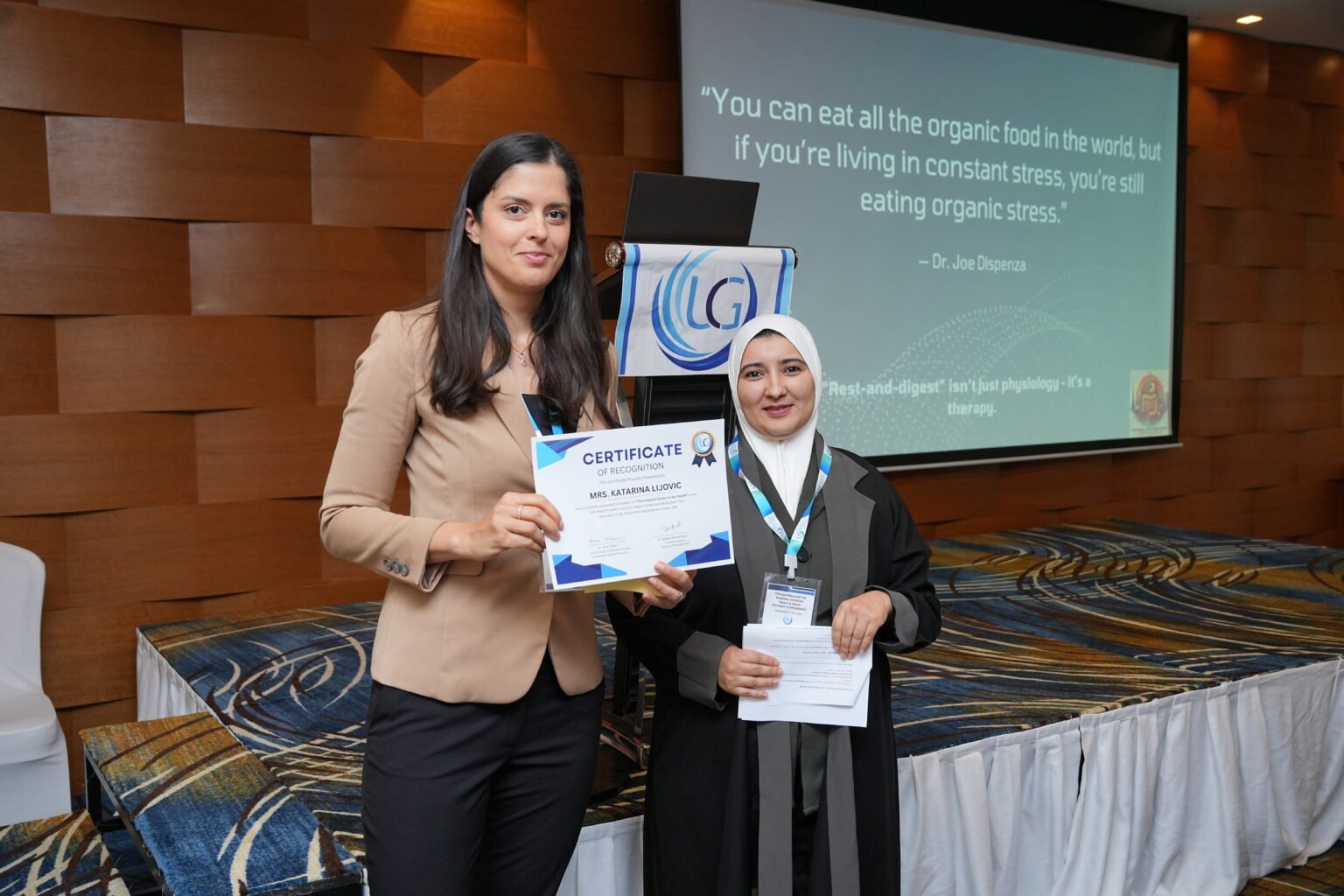
Global Networking & Collaboration: Participating in CPD-accredited gastroenterology events connects you with international experts, researchers, and peers, fostering valuable collaborations, research partnerships, and referral networks.
Specialized Skill Enhancement: Focused CPD sessions sharpen procedural skills, update evidence-based practices, and deepen understanding of complex gastrointestinal and hepatic disorders—directly improving patient outcomes and clinical performance.